EPHEMERAL FOREST LANDS
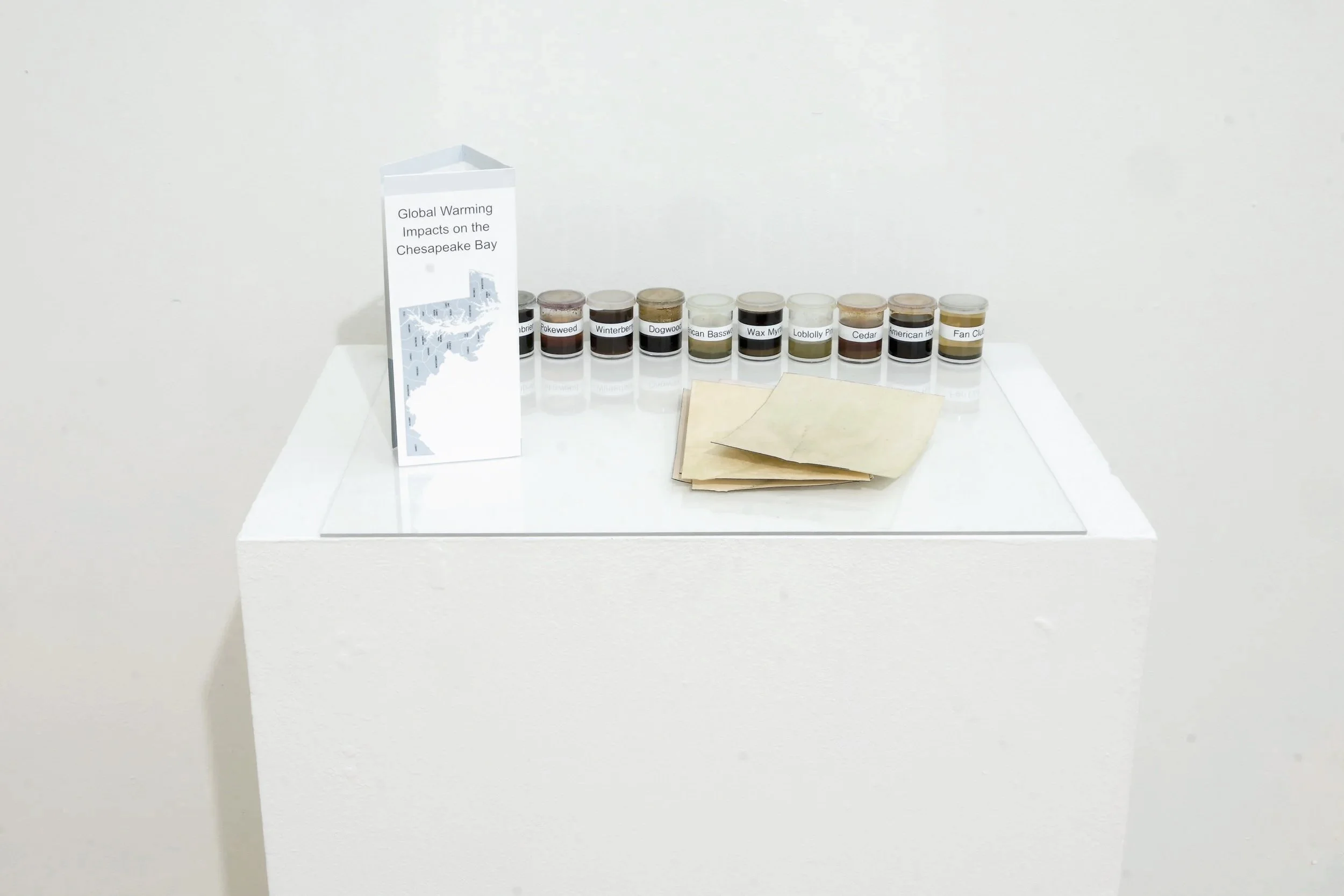
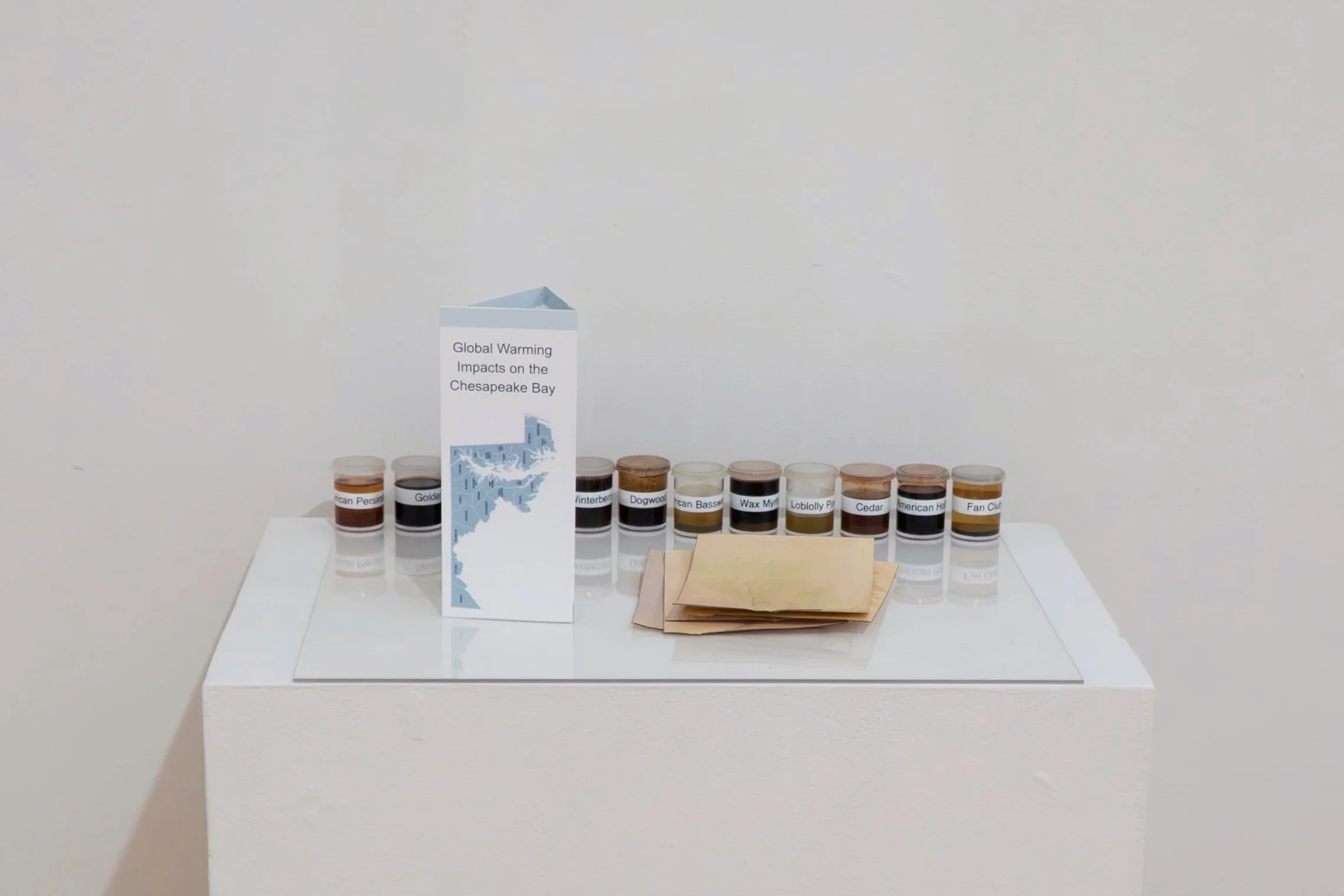
Ephemeral Forest Lands, is a series of anthotype prints depicting native plant species in Maryland. The anthotype process was coined in the Victorian era, and uses natural plant material as ink. The ink emulsion is then spread onto watercolor paper and dried. Leaves or other plant material are placed on top of the light sensitive paper and exposed to UV light. The result is a photographic image of what was placed on top of the paper emulsion. No two anthotypes are the same. Exposure times and color combinations of each plant’s pigment will be slightly different. This is due to soil quality, photosynthesis, and pollution. Pigments also change depending on the season. The series started in the late fall and continued through the early spring. This body of work is based on the research of how global warming impacts native plants.
Anthotypes are non-archival; they will fade over time. This is not only a technique display, but a narrative symbolizing the fragile state and instability of our climate. Global warming, in its current state, increases the erasure and displacement of native plant species. Ephemeral Forest Lands, signifies its descent towards erasure at a local level. The painstaking and extensive exposure time taken to create the works, is in itself, a gesture of resistance to our fast pace of life. This installation provides viewers with an opportunity to acknowledge, interact, and learn about the local environmental ecosystem.




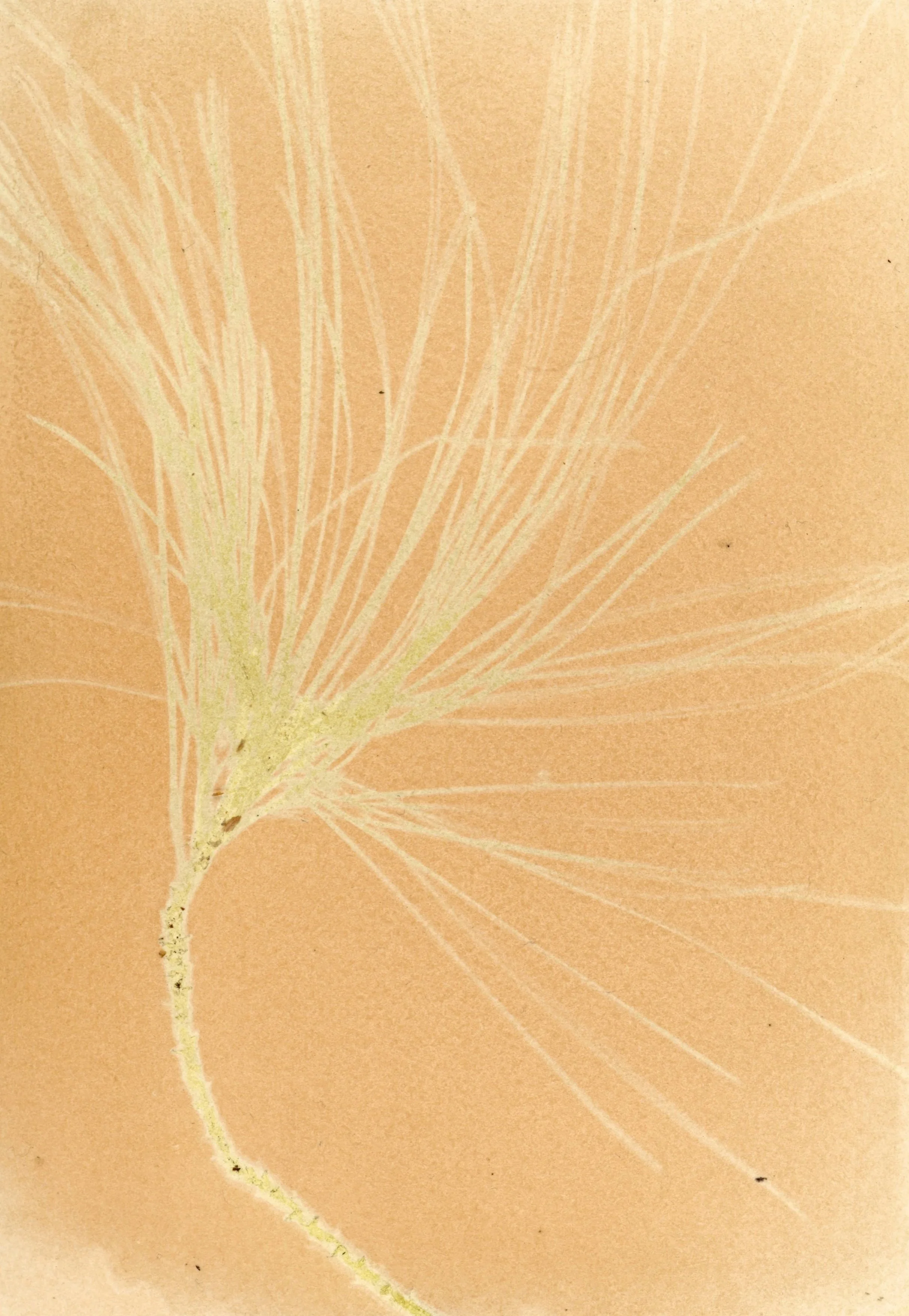
Loblolly Pine
The loblolly pine is an adaptable and hardy tree species. It can grow in various soil types, including sandy soil, high moisture areas, and areas struggling with drought. Loblolly pine is a home for many bird species. Its seeds are a major food source for birds, deer, and rodents.
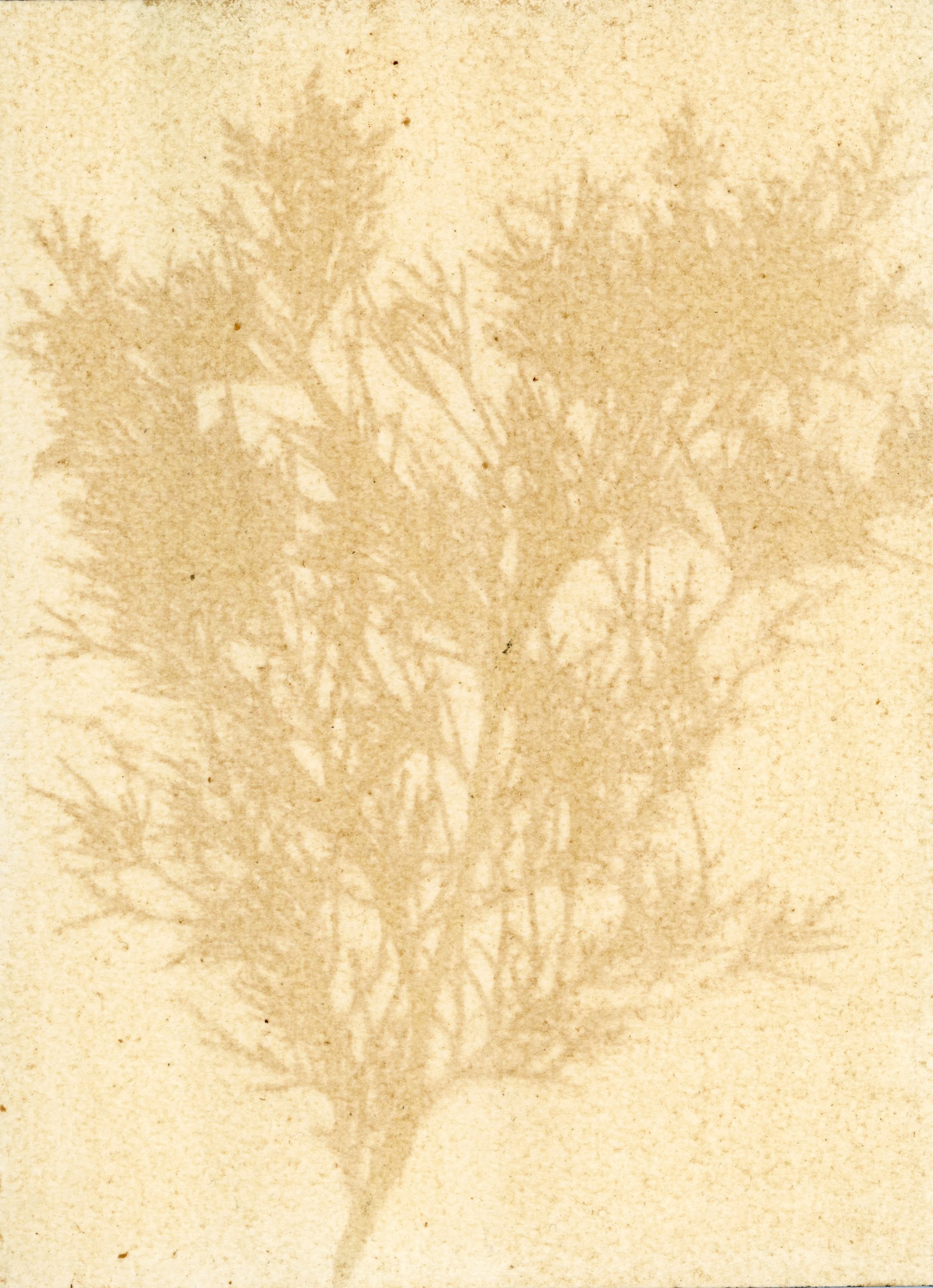
Cedar
The eastern redcedar is an adaptable tree, tolerant of poor, gravelly soils; drought, salt spray and brackish water. Eastern redcedar’s are important for the native wildlife. The berry-like cones of the female trees are eaten by many songbirds. Its branches provide valuable shelter and nesting places for birds.

Persimmon
The persimmon is a hardwood species that grow best in well drained soil. Species like bear, deer, coyote, fox, raccoon, opossum, quail, squirrel, and wild turkey rely on fruit as a food source in the fall. The persimmon tree is where over forty-five butterfly and moth species lay their eggs.

Pokeweed
Pokeweed is a perennial that resembles a small tree. It produces large purple berries that are a food source for many birds. Pokeweed grows anywhere seeds are dropped by birds, but it thrives in deep, rich, gravelly soils.
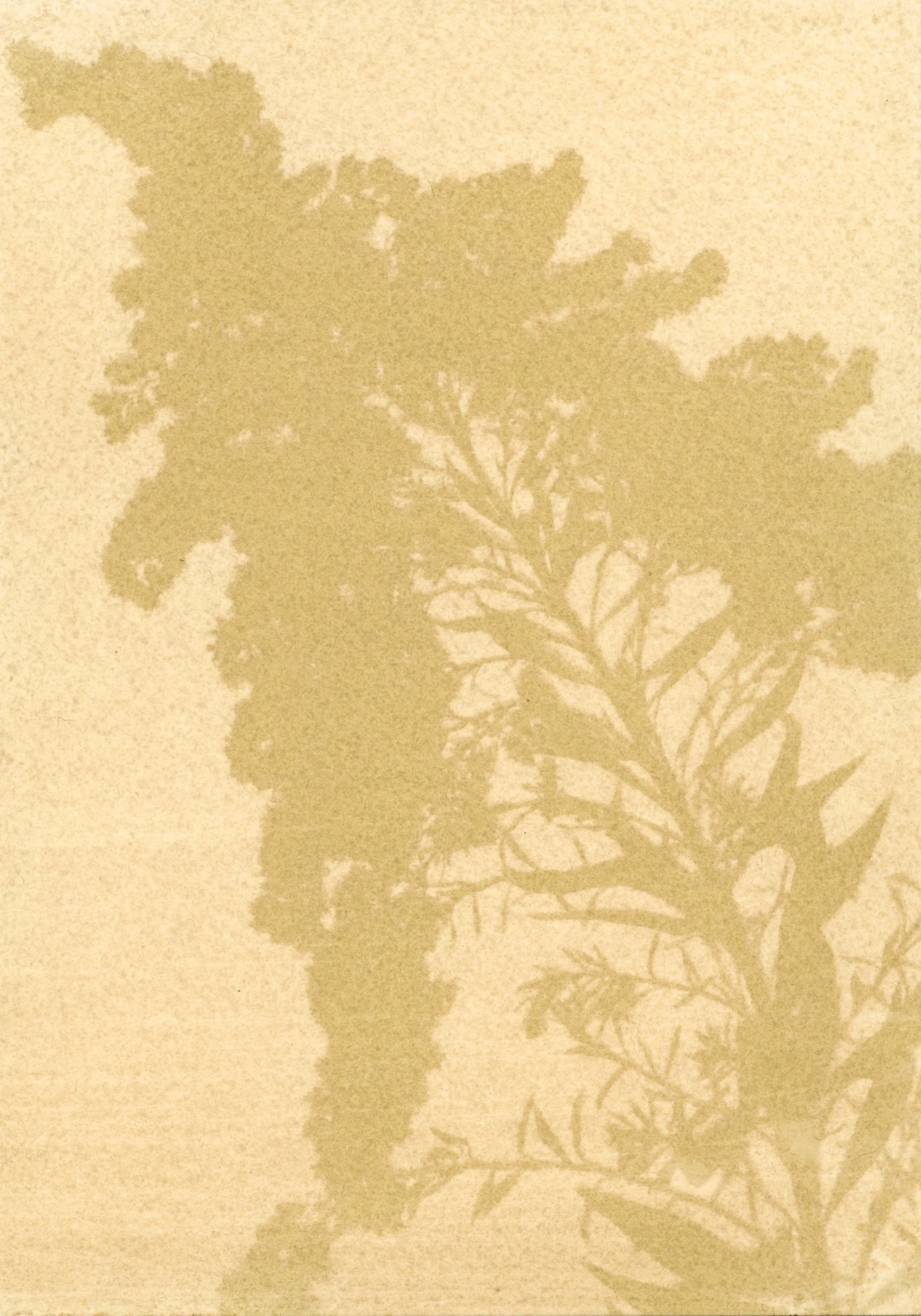
Goldenrod
Goldenrod is a golden yellow flower that grows between 3 and 6 feet tall. It grows along the edges of fresh, brackish, and salt marshes. Goldenrod provides nestling habitats for shore birds such as willets, killdeer, and black skimmers.

Bristly Greenbrier
The bristly greenbrier is a woody vine. It can form dense thickets making it a good hiding place for small mammals. Bristly greenbrier is commonly found along roadsides, open woods, and edges of moist swampy areas.

Winterberry Holly
Winterberry holly shrub is a species that grows in swamps, forested wetlands, and mountains. Winterberry plants are either female or male. Species of birds such as the American robin, cedar waxwing, grey catbird, and eastern bluebird rely on the berries as a food source.
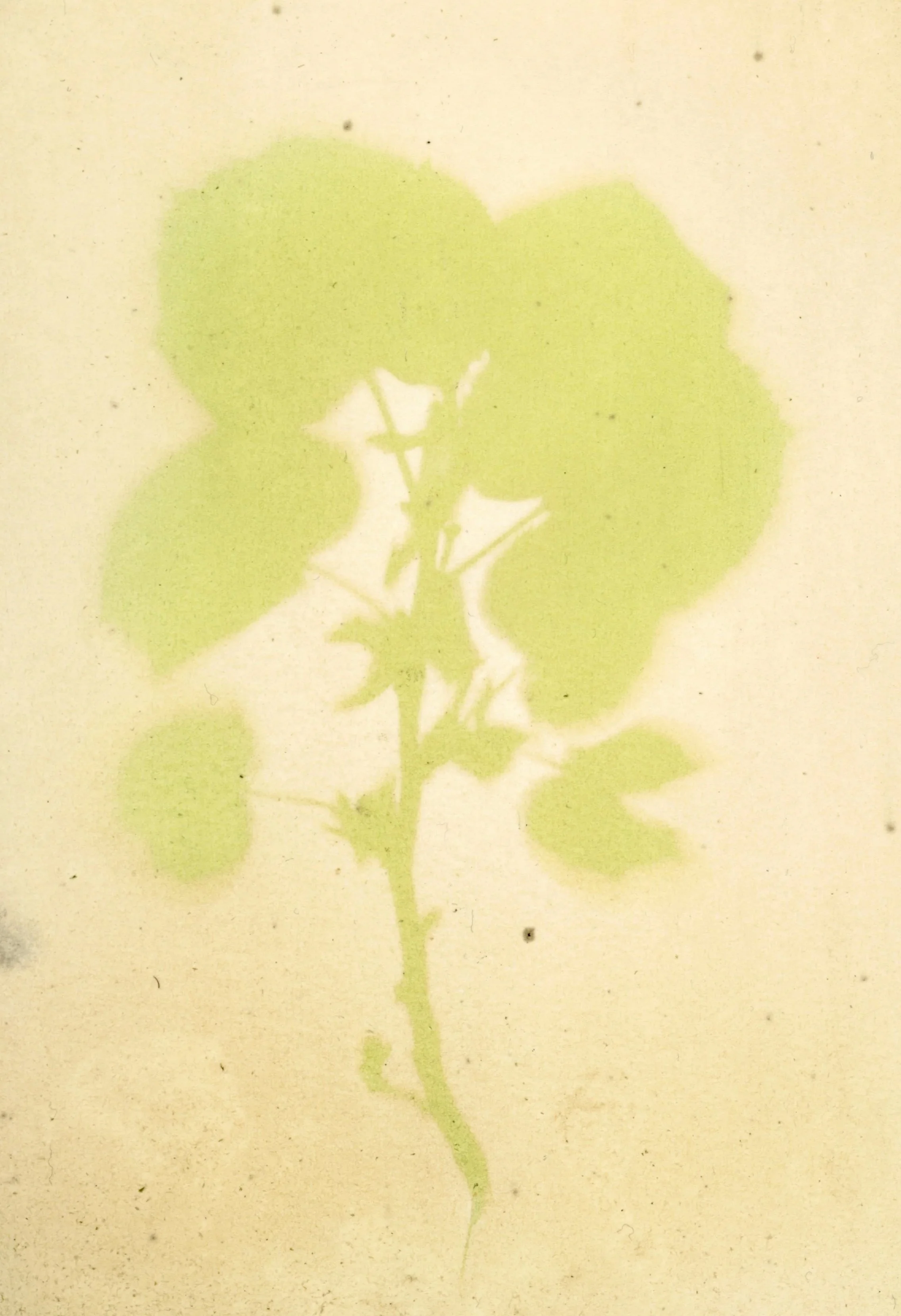
American Basswood
The American basswood tree grows between 50 and 80 feet tall. It is commonly found in the western parts of Maryland, but cab also be found elsewhere In the state. White-tailed deer use it as browse. Birds and small mammals rely on its fruit as a food source. Bees rely on the basswood’s flowers to use as nectar. It is also a home to many nesting animals.
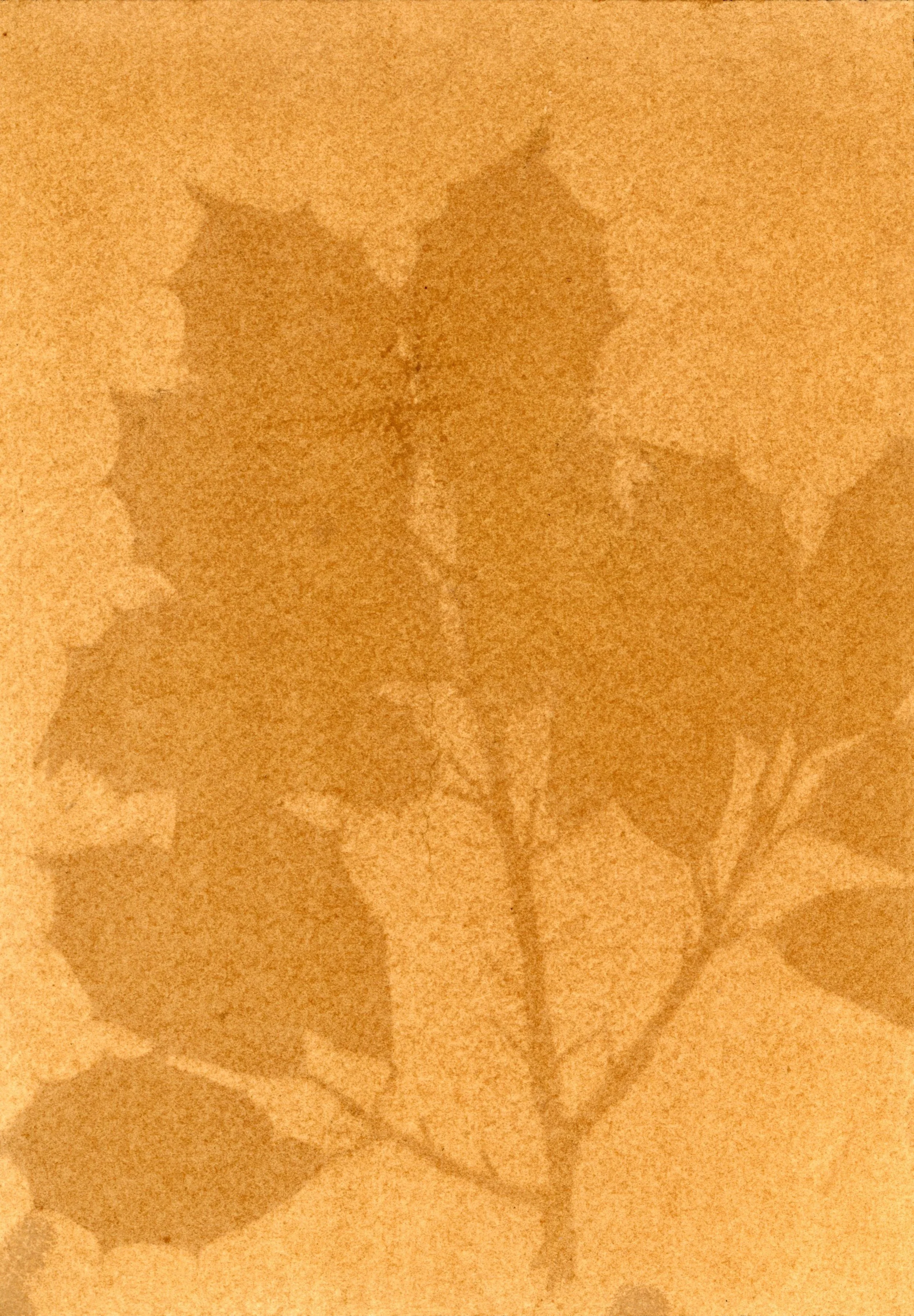
American Holly
American holly is a slow growing, evergreen angiosperm (flower producing). It is the hardiest of broadleaf evergreens. It is found mostly along the eastern and western Chesapeake Bayshore. It is extremely valuable to wildlife, and its berries are a food source for birds and mammals.
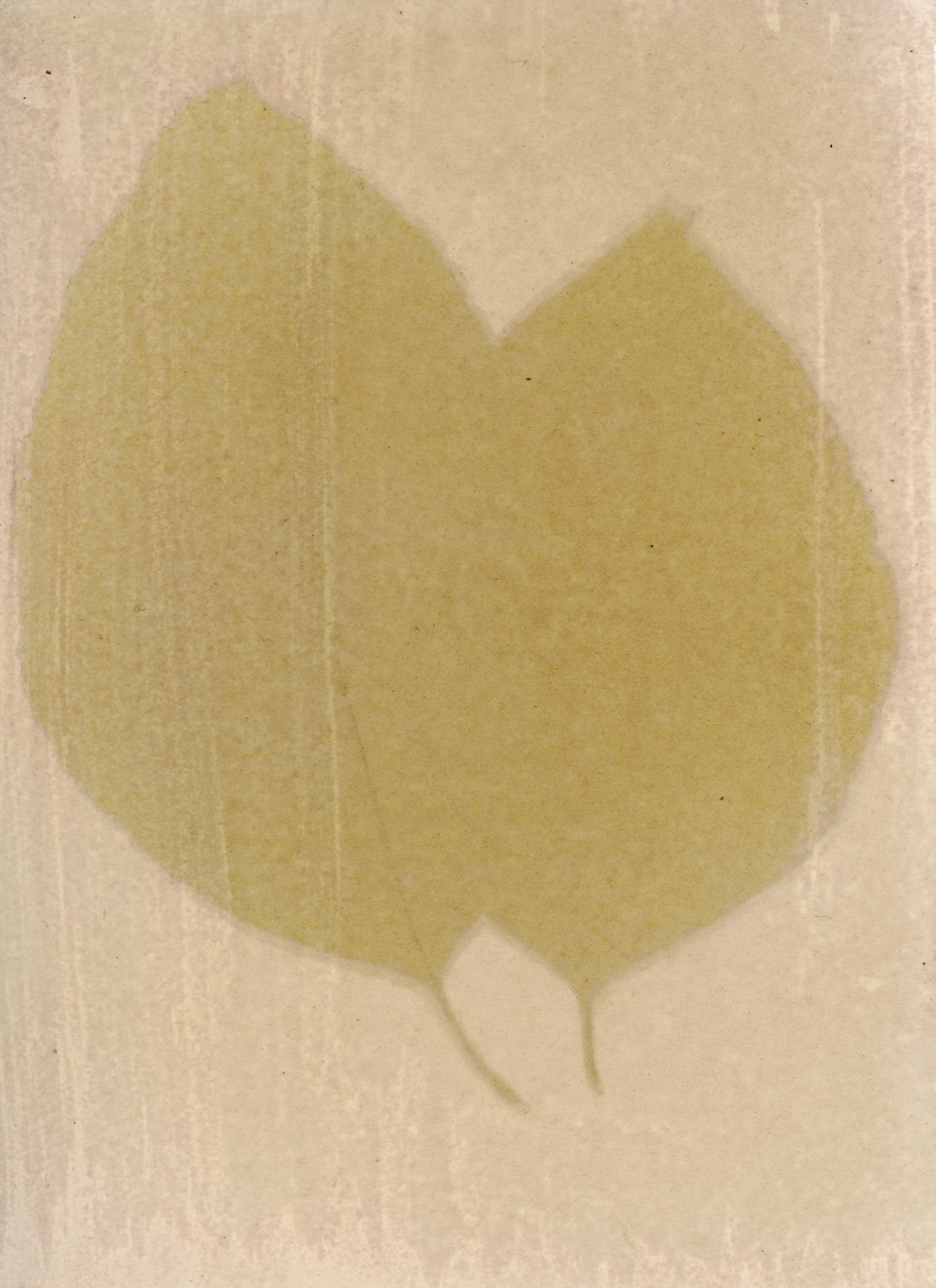
Dogwood
Flowering dogwood grows in a variety of environments, but they thrive in forests with consistent moisture and soil temperature. They are very susceptible to a wide range of diseases. The most common is dogwood anthracnose. There are thirty-six species of birds that rely on the dogwood fruit as a food source.

Fan Clubmoss
Fan clubmoss (Southern Ground Cedar) is a vascular plant that lacks flowers and reproduces through spores. It is very slow-growing and forms critical ground cover. Clubmoss thrives in acidic, sandy, or rocky soil within deciduous or mixed woods. It provides protective cover for the ground-nesting Nashville Warbler.
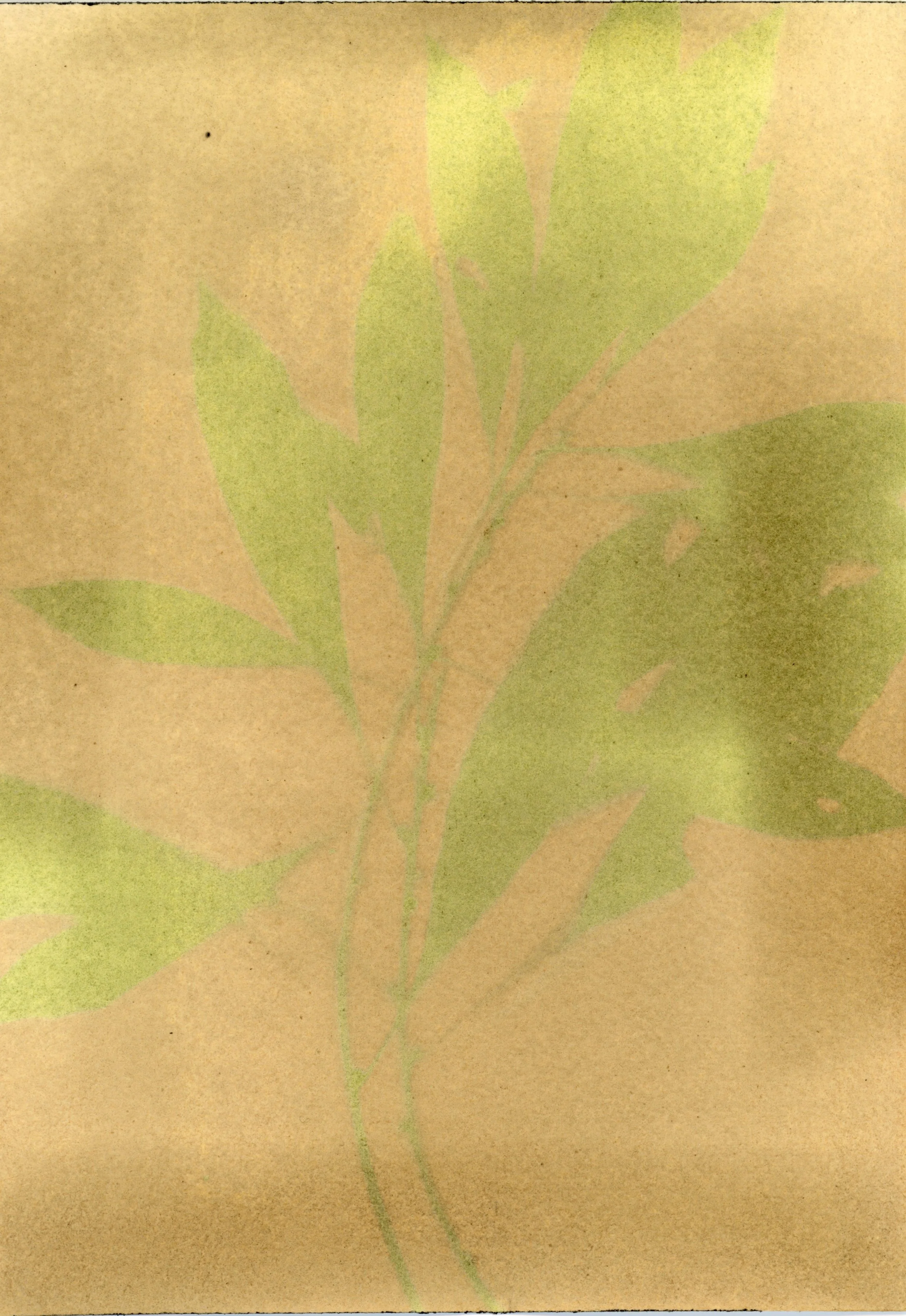
Wax Myrtle
The wax myrtle is a nitrogen fixing evergreen shrub. It is salt-tolerant and can grow in full sun to part shade in well drained acidic soils. The wax myrtle is a very important food source for wildlife. Its vegetation serves as a larval host to the Red-banded Hairstreak species of butterflies.